Product lock
Start with a product URL or SKU, then confirm the version, size, material, colorway, accessory set and target age. This prevents a packaging brief from being attached to the wrong item.
 BestToysFactoryBTF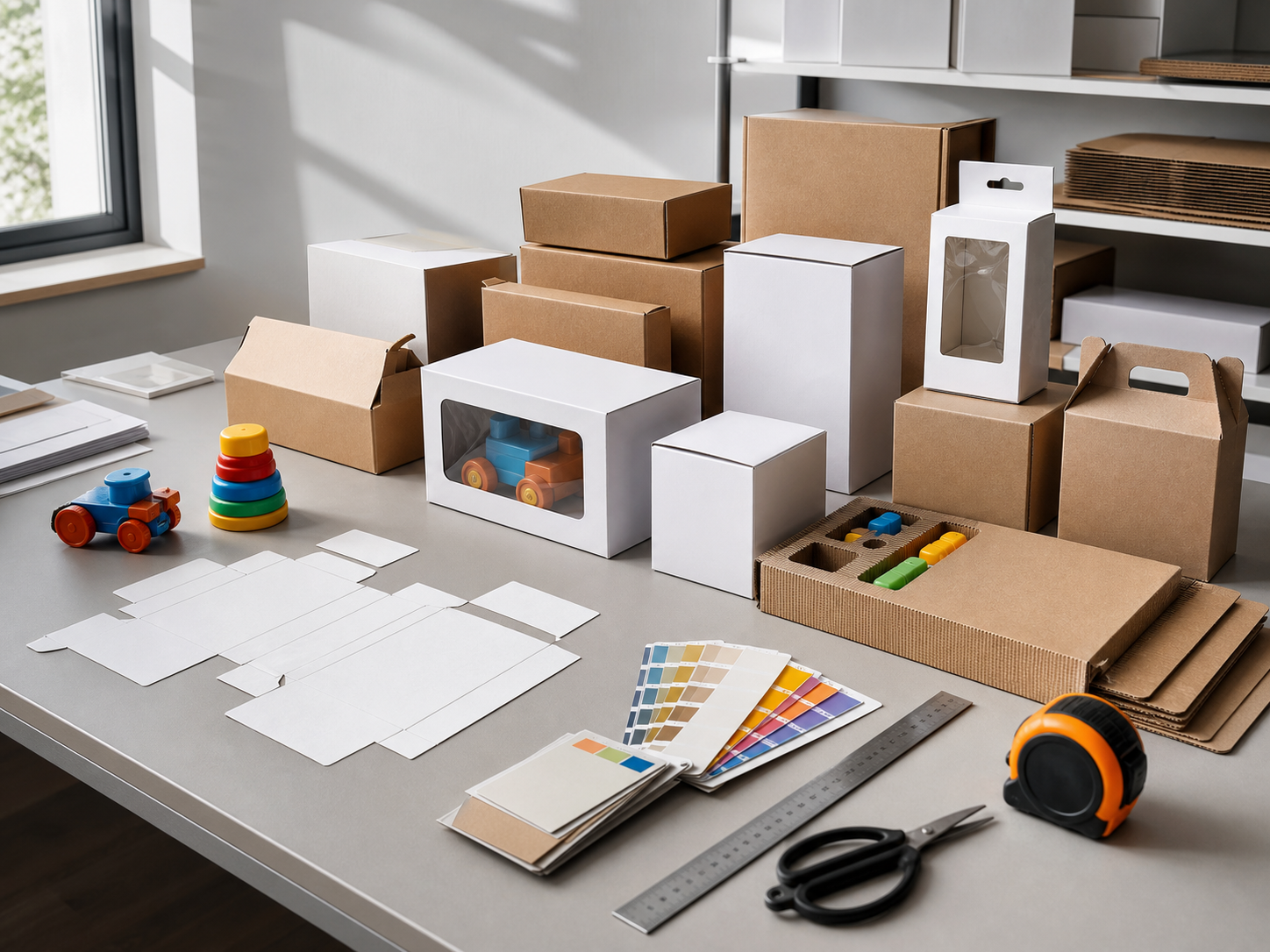
OEM / ODM
This page focuses on OEM toy manufacturer China for buyers who need a practical sourcing decision. A practical OEM toy project starts with a defined item and a clear package brief. Buyers can share a product URL or SKU, quantity, destination market, logo or artwork, package format, warning language, barcode, sample deadline and certificate requirements. The review then separates stock-item availability, packaging setup, sample approval, quality checks and any ODM development or tooling work before a production quote is accepted.
Share item reference, quantity, destination market and packaging direction.
Confirm artwork, logo position, sample timing, MOQ and certificate requirements.
Approve packaging files, carton data, inspection plan and shipment timing.
SEARCH CONTEXT / 02
This page focuses on OEM toy manufacturer China for buyers who need a practical sourcing decision. A practical OEM toy project starts with a defined item and a clear package brief. Buyers can share a product URL or SKU, quantity, destination market, logo or artwork, package format, warning language, barcode, sample deadline and certificate requirements. The review then separates stock-item availability, packaging setup, sample approval, quality checks and any ODM development or tooling work before a production quote is accepted.
Packaging is not a substitute for product identity. Confirm the model, size, material, colorway, accessories and age guidance before artwork is finalized. A color box, display pack, blister card or insert can affect carton size, case pack, packing labor and MOQ.
Keep the approved product sample, package artwork, revision, quantity by SKU, inspection request and document references in one order file. Open points should remain visible in the RFQ until sales confirms them.
Send product references, quantity, destination, package style, logo or artwork, language, barcode, warnings, certificate needs and sample timing.
It can. Artwork setup, print method, packaging quantity, material, tooling and production planning may change MOQ and lead time by item.
ODM usually involves a product concept, function, components, tooling or development scope. A package or logo change on an existing item is commonly a separate OEM work package.
PROGRAM BUILD / 02
OEM and ODM work is easier to quote when the product, packaging and market requirements are separated into decisions. The team can then confirm what is already available, what needs artwork, and what needs engineering review before a sample is made.
Most private-label programs begin with an existing catalog item. That route keeps the product risk visible: the buyer can review the actual form, material, accessory set and package before discussing a logo or a new retail presentation. The first brief should identify the exact SKU, target market and expected order volume so the commercial answer is tied to one item.
Packaging is a separate workstream from product selection. A color box, window box, blister card, display carton, insert or plain export carton changes artwork, packing labor, carton dimensions and sometimes the case pack. Artwork should be reviewed for logo position, barcode space, language, age grading, warnings and importer information before the printed sample is approved.
ODM work starts earlier. A buyer may bring a function, target cost, reference shape or channel requirement instead of a finished product. The development conversation then needs a written scope for concept changes, sample rounds, tooling or mold ownership, component selection, test requirements and the approval milestones that lead to a production version.
A useful handoff is a single order file: approved product sample, approved packaging artwork, item number, color and accessory list, quantity by SKU, carton plan, inspection request, document requirements and ready-date assumption. When one of these points is still open, it stays marked as an open item in the RFQ rather than being treated as confirmed.
Start with a product URL or SKU, then confirm the version, size, material, colorway, accessory set and target age. This prevents a packaging brief from being attached to the wrong item.
Define logo method, print colors, dieline, box style, inserts, barcode space, warning copy, language versions and carton marks. Pack changes can affect carton volume and case pack.
The sample should check function, assembly, color, print position, accessory count, package fit and basic labeling. A dated approved sample becomes the physical reference for production.
The final brief records quantity by SKU, open artwork items, inspection timing, case pack, lead-time assumptions and shipping term. Unconfirmed points remain visible in the quote.
Keep the approved sample, artwork revision, carton data, color mix and inspection notes together so a reorder can be compared with the first run instead of recreated from memory.
FIELD NOTES / 03
These inputs commonly change MOQ, sample work, packing cost, carton data or lead-time assumptions. Send the information that is already known and mark the rest for confirmation.
| Area | Buyer input | What it supports |
|---|---|---|
| Stock item / no artwork | SKU, quantity, destination and packing preference | Fastest route; confirm current MOQ, case pack and available color options. |
| Private-label packaging | Logo files, package format, language, barcode and warnings | Artwork and physical sample review before bulk production. |
| Color or accessory update | Reference color, component list, target quantity and sample deadline | Feasibility check with revised MOQ and sample assumptions. |
| ODM concept | Function, target cost, age grade, brief and compliance market | Development scope, tooling ownership and approval milestones. |
| Mixed-SKU program | Line-up, quantities by SKU, carton plan and ship window | Combined RFQ with item-level packing and loading review. |
| Branding method | Printed logo, sticker, pad print, heat transfer or insert requirement | Checks artwork, color count, position and setup assumptions before sampling. |
| Repeat-order plan | Launch timing, reorder frequency, color mix and packaging inventory | Creates a repeatable item file and makes later quote revisions easier to compare. |
QUESTIONS / 05
Use these questions to make the first conversation specific and keep open decisions visible in the order brief.
Often yes, subject to item MOQ, packaging quantity, artwork setup, sample approval and the destination market requirements. The exact SKU and package format should be confirmed together.
Send the product URL or SKU, logo artwork, package style, dieline if available, language, barcode, warnings, target quantity, destination and sample deadline.
An OEM package change keeps the product substantially defined and changes the retail presentation. ODM may involve product concept, function, components, tooling or several rounds of engineering and sampling.
A colorway or accessory change can be reviewed as a separate feasibility item. It may change material purchasing, assembly, MOQ, testing and sample timing.
The buyer should approve the product sample, packaging artwork, color and accessory list, warning language, carton marks and the inspection or document requirements that belong to the order.
NEXT / RFQ
Send quantity, market and packaging requirements. The sourcing desk will return item-level MOQ, case pack and quote assumptions.
RFQ / 01
Send the SKU, target quantity, destination market and packaging brief for a current sourcing response.