Incoming materials
Review the material, color, component count and visible condition before production starts. Battery, motor, electronic or small-part items need the relevant component information attached to the item file.
 BestToysFactoryBTF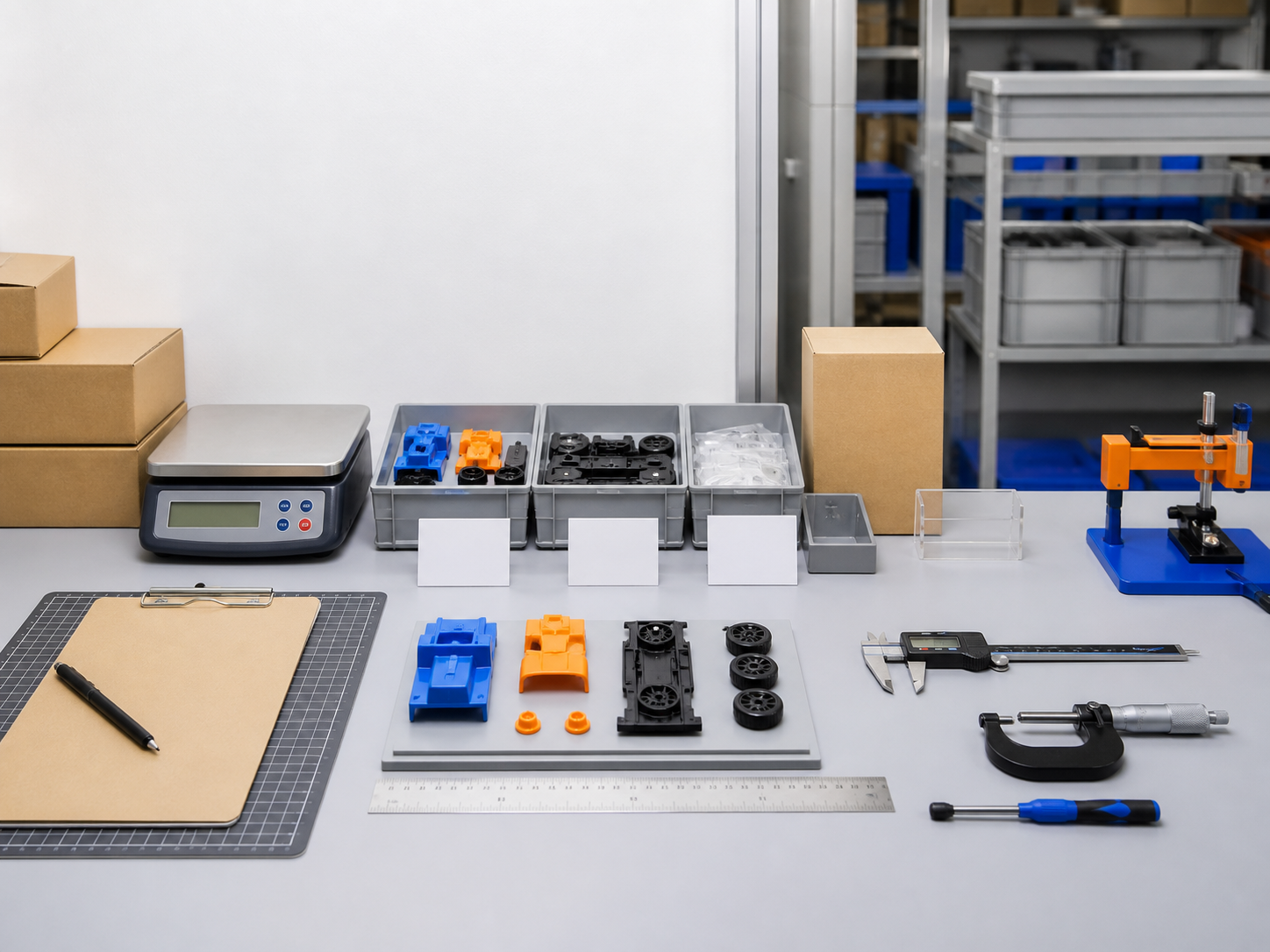
QUALITY CONTROL
This page focuses on toy quality control inspection for buyers who need a practical sourcing decision. Quality control is most useful when it is tied to the exact SKU, approved sample, material, package, quantity and destination-market requirements. A buyer can define the product version, critical dimensions, function, accessory count, warning labels, carton records, inspection stage, defect categories and evidence needed before the order is released.
Check the requested SKU, product photo, material and specification details.
Review available product and factory-level evidence against the destination market.
Confirm samples, packaging artwork, warning labels, carton data and inspection timing.
SEARCH CONTEXT / 02
This page focuses on toy quality control inspection for buyers who need a practical sourcing decision. Quality control is most useful when it is tied to the exact SKU, approved sample, material, package, quantity and destination-market requirements. A buyer can define the product version, critical dimensions, function, accessory count, warning labels, carton records, inspection stage, defect categories and evidence needed before the order is released.
A practical control plan may include incoming material review, first-article approval, in-line checks, final inspection, package and carton review, photo evidence and corrective-action follow-up. The acceptance rule should be stated in the order brief instead of relying on a product photograph alone.
When the item, material, electronics, accessory set, age grade or packaging changes, review the reference file again. This keeps repeat orders comparable and makes an open issue traceable to the affected lot or revision.
Include the SKU and revision, approved sample, dimensions, material, function, accessory count, package, labels, carton quantity, defect categories, sampling basis and evidence request.
Set the inspection stage in the order brief, normally before shipment release. The exact timing and sample basis depend on the item, quantity and acceptance rules.
No. A factory audit supports supplier due diligence, while product inspection checks the actual item and finished lot against the order requirements.
CONTROL PLAN / 02
Quality control is most useful when every check is linked to the approved SKU, material, golden sample, package artwork and order quantity. The workflow below gives buyers a clear place to ask for evidence before a lot is released.
A quality plan is strongest when it describes the item the buyer will actually receive. The reference is not just a product photograph: it includes the approved sample or revision, critical dimensions, material and color, accessory count, function, package artwork and any market-specific warning or labeling requirement.
Checks can be staged around the production cycle. Incoming material review catches obvious mismatches before assembly; first-article approval checks whether the line is building the requested version; in-line patrols look for repeat defects; final inspection checks the finished lot, packaging and carton records before shipment release.
The acceptance rule should be written in the purchase order or inspection instruction. Buyers can separate critical defects, major workmanship issues and minor appearance issues, then specify sampling level, function tests, photo evidence and who can approve corrective action. A generic AQL reference without an item standard is not enough to describe the order.
Quality evidence is useful when it can be traced to a lot. A report should identify the item, inspection date, quantity, sample basis, findings, defect photos, corrective actions and loading or carton records where applicable. If the product, material, package or factory process changes, the reference file should be reviewed again.
Review the material, color, component count and visible condition before production starts. Battery, motor, electronic or small-part items need the relevant component information attached to the item file.
The first production pieces are compared with the approved sample for dimensions, function, assembly, finish, accessories, print and package fit before the line is allowed to continue.
During production, operators and QC staff check recurring issues such as flash, loose parts, color drift, missing accessories, weak seals, print position and label mix-ups.
A final check reviews workmanship, function, quantity, packaging, carton marks, barcode placement, warning labels and the documents required for the destination market.
The release file can include approved-sample references, defect photos, carton counts, inspection notes and loading evidence so the buyer has a traceable order record.
Record the defect, suspected cause, containment, responsible station, recheck result and approval before the affected lot is released.
FIELD NOTES / 03
The exact inspection level, sample size and acceptance criteria belong in the purchase order or inspection instruction. The table shows the evidence to discuss, not a blanket acceptance result.
| Area | Buyer input | What it supports |
|---|---|---|
| Material and components | Color, resin or metal, electronic parts, count, odor and surface | Approved sample, component list and material record. |
| First article | Size, function, assembly, accessories, finish, print and package fit | First-article photos or sample approval before full run. |
| Production patrol | Repeat defects, mixed labels, missing parts, weak seals and color drift | In-line notes with corrective action and responsible station. |
| Final inspection | Workmanship, function, quantity, packaging, markings and carton condition | Inspection report with defect classification and lot decision. |
| Loading and traceability | Carton count, marks, pallet or container photos and shipping documents | Loading record matched to the order and packing list. |
| Function and safety | Switches, motors, battery compartment, small parts, edges and intended use | Makes the product-specific checks visible instead of relying on appearance only. |
| Corrective action | Defect image, cause, containment, owner, deadline and recheck result | Shows how an issue was closed and which lot or revision it affected. |
QUESTIONS / 05
Use these questions to make the first conversation specific and keep open decisions visible in the order brief.
Request the inspection timing in the order brief, normally before shipment release. The actual stage and sample size depend on the product, quantity, packaging and buyer acceptance rules.
The first article confirms that production is building the approved version. Final inspection reviews a finished lot for workmanship, function, quantity, packaging, markings and carton condition.
Photo evidence can be requested for the product, defects, packaging, cartons, labels and loading record. The requested views should be listed before the inspection begins.
No. A factory audit supports supplier due diligence, while product inspection checks the specific item and lot against the order requirements.
The order should define defect categories, acceptance limits, rework or sorting expectations, reinspection and the person who can release or hold the lot.
NEXT / RFQ
Send quantity, market and packaging requirements. The sourcing desk will return item-level MOQ, case pack and quote assumptions.
RFQ / 01
Send the SKU, target quantity, destination market and packaging brief for a current sourcing response.